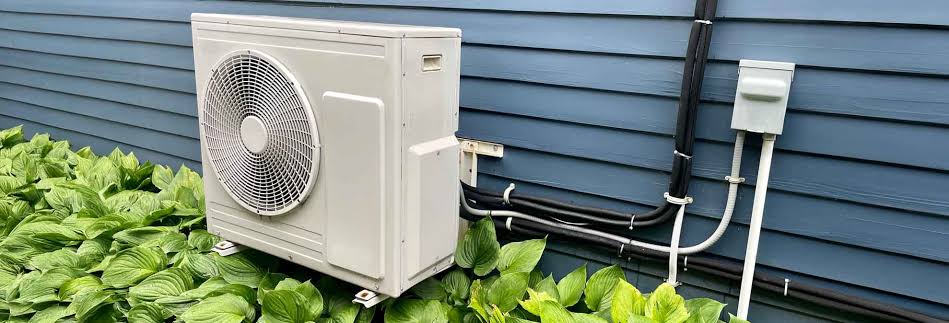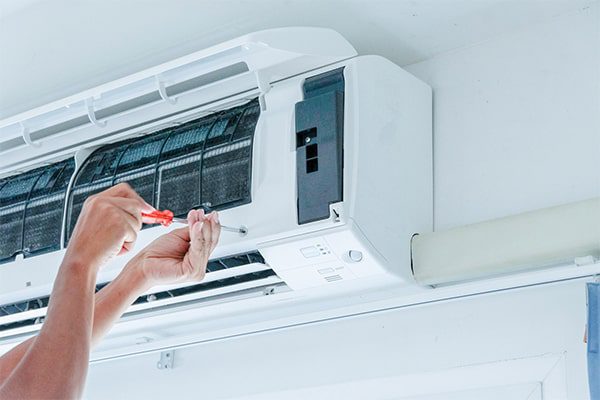
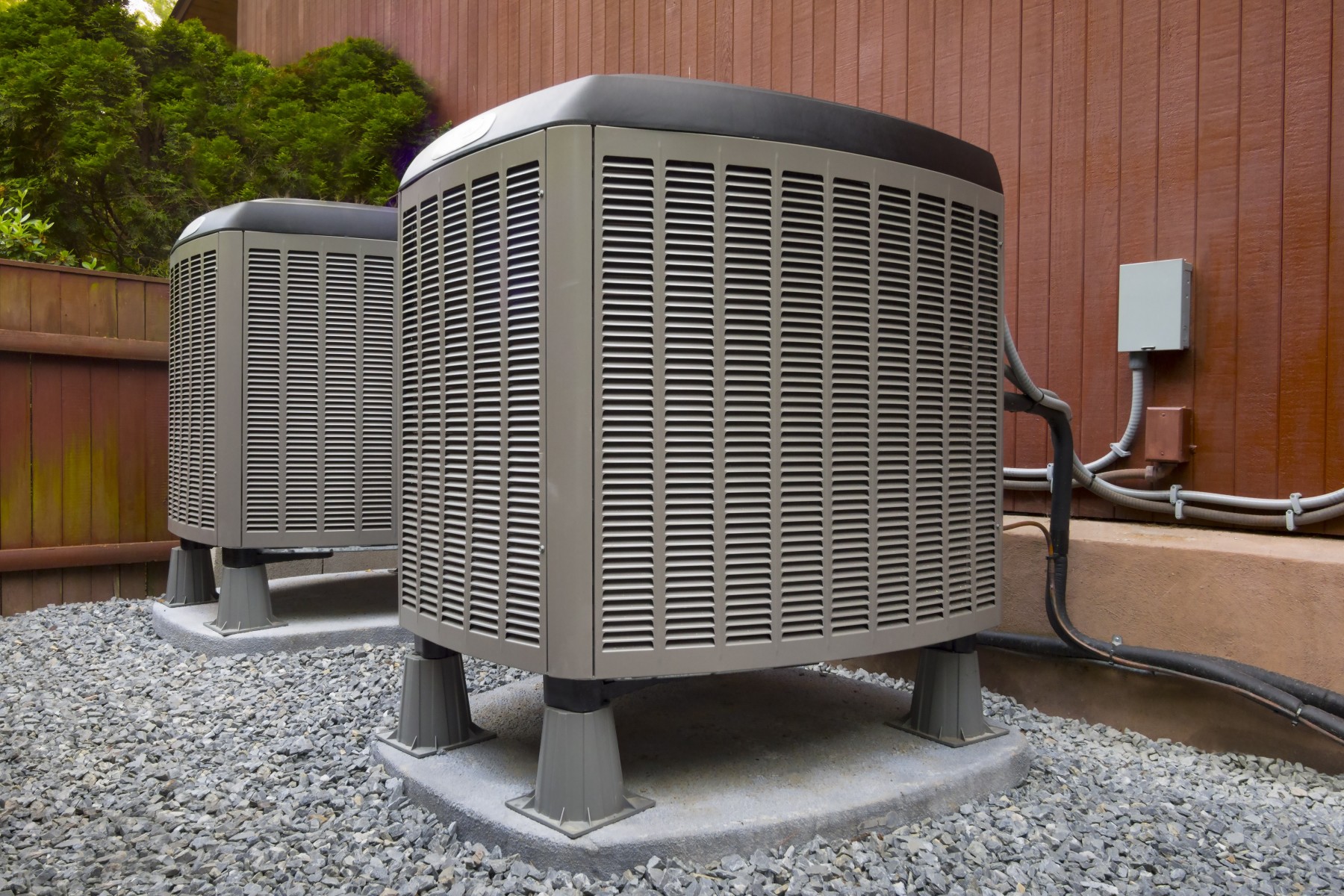
Replacing a ducted heating system is a big investment, and Victorian households have access to a program that can reduce the cost. The Victorian Energy Upgrades (VEU) program offers discounts on eligible energy-efficient products, and many homeowners are curious about the VEU ducted system rebate. This guide explains what it is, who can use it and how to make the most of it.

What Is the VEU Program?

The Victorian Energy Upgrades program is a state government initiative that encourages households and businesses to use less energy. Accredited providers carry out eligible upgrades and apply a discount to your invoice. This reduces your upfront cost while helping you save on energy bills over time. Because the program is run through accredited businesses, the discount is usually applied for you rather than paid back later.

How the VEU Ducted System Rebate Works

The VEU ducted system rebate generally applies when an old ducted heating system is replaced with a high-efficiency option, such as a ducted reverse-cycle air conditioner or a ducted heat pump. The discount is based on the energy savings the new system is expected to deliver. This means the amount can vary depending on the product, the size of your home and the system you are replacing. Always ask your provider to show the discount as a separate line on your quote.

Who Can Claim?

Eligibility rules can change, so check the official VEU website before you proceed. In general, you may need to:

  • Live in a property in Victoria
  • Be an owner, landlord or tenant with the owner’s consent
  • Choose a product from the approved list
  • Use an accredited provider to complete the installation

Some offers may have extra conditions, such as replacing a specific type of existing heater, so confirm the details early.

Step-by-Step: Getting Started

1. Review your current system. Note its age, type and how well it heats your home.

2. Research approved products. Ask providers which models qualify and what their efficiency ratings are.

3. Compare quotes. Request at least three quotes and check that each one includes the discount, installation and any extra work such as ductwork repairs.

4. Confirm accreditation. Make sure your installer is accredited under the program and holds the right licences.

5. Keep your paperwork. Save your invoice, product details and compliance documents.

Think Beyond Heating

Many homeowners combine upgrades to save more. If you are improving your home’s efficiency, it is worth requesting a solar and battery quote at the same time. A solar and battery quote can show how generating your own power may offset the electricity used by a new ducted system. Some providers also offer package deals, so asking for a solar and battery quote alongside your heating quote can help you compare overall value. Keep in mind that solar and battery incentives are separate from VEU discounts, so check each program’s rules individually.

Common Mistakes to Avoid

  • Choosing on price alone. The cheapest quote may not include quality ductwork or the best product.
  • Ignoring home insulation. Poor insulation reduces any heating system’s performance.
  • Skipping the fine print. Make sure you understand warranties, installation timelines and what the discount covers.
  • Falling for pressure sales. Be cautious of anyone offering “free” systems or demanding quick decisions.

Is It Worth It?

For many Victorian households, the VEU ducted system rebate can make an efficient system far more affordable. The savings are strongest when you are replacing an old, inefficient heater and choosing a well-rated model. Pairing the upgrade with insulation improvements or a solar and battery quote can increase your long-term benefits even more.

Final Thoughts

Before you commit, confirm the latest rules, approved products and discount details on the official VEU website. Then compare quotes from accredited providers and ask plenty of questions. With a little research, the VEU ducted system rebate can help you heat your home efficiently while keeping costs under control.
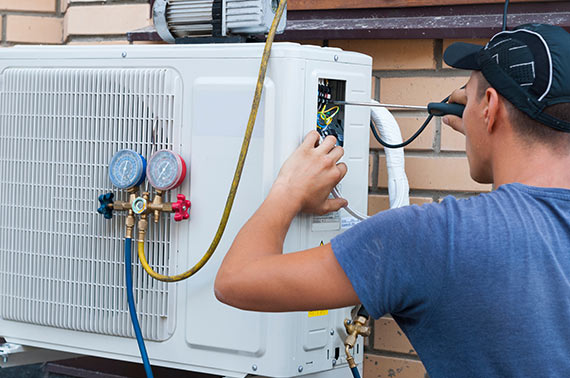
When your air conditioner fails on a 38-degree afternoon in Newtown, Marrickville or Leichhardt, waiting a week for a technician isn’t an option. Reliable air conditioning repairs in inner west sydney can restore comfort quickly, protect your health and stop a small fault from becoming an expensive replacement.

Why Same-Day Service Matters

Breakdowns rarely happen at convenient times. They tend to strike during heatwaves or cold snaps, when demand for technicians is at its peak. A same-day response limits discomfort, protects vulnerable family members such as babies and elderly relatives, and prevents further damage. Running a faulty system for days can burn out compressors and turn a simple repair into a major bill.

Common Problems Technicians Fix

Most call-outs involve a handful of familiar faults:

  • Weak or warm airflow: Often caused by dirty filters, blocked coils or low refrigerant.
  • Strange noises: Rattling, grinding or squealing can signal loose parts or failing fans and motors.
  • Water leaks: Usually a blocked drain line or damaged condensate tray.
  • Unpleasant odours: Mould and bacteria can build up inside neglected units.
  • System won’t start: Electrical faults, faulty thermostats or tripped safety switches are frequent culprits.
  • Constant cycling: A system that switches on and off repeatedly may be incorrectly sized or have a sensor fault.

What to Expect from a Quality Provider

The best companies offering air conditioning repairs in inner west sydney follow a clear process. They arrive within an agreed window, diagnose the fault properly and explain the problem in plain language. You should receive an upfront quote before any work begins, with a clear choice between repairing and replacing the unit. Reputable technicians carry common parts in their vans, so many repairs are finished during the first visit.

Check Licences and Warranties

Only licensed technicians should handle refrigerants, and electrical work must be completed by qualified professionals. Ask for their ARCtick licence and confirm the company carries public liability insurance. A trustworthy provider also backs its work with a written warranty on both parts and labour. If a company is vague about credentials or guarantees, keep looking.

Suited to Every Type of Inner West Property

The Inner West is a mix of Federation homes, terraces, apartments, cafes and small commercial spaces. A local technician understands the quirks of these buildings, from tight roof cavities to strata restrictions on outdoor units. Whether you have a wall-mounted split system, a multi-head setup or ducted cooling, an experienced team can service the brand and model you own.

Larger Sites Need Specialist Support

Not every job is a home repair. Warehouses, workshops and manufacturing facilities around Alexandria, St Peters and Marrickville rely on much larger equipment. Industrial air conditioning in Sydney involves rooftop units, chillers and extensive ductwork, so it calls for specialists with the right tools and training. If you manage a commercial or factory site, ask whether your provider handles industrial air conditioning in sydney or can refer you to a specialist who does.

Businesses with large systems should also consider maintenance agreements. Regular inspections of industrial air conditioning in sydney facilities reduce downtime, protect stock and keep energy costs under control.

Prevent Breakdowns Before They Happen

The cheapest repair is the one you never need. Annual servicing keeps filters clean, refrigerant levels correct and components working efficiently. You can also help by cleaning filters every few months, keeping outdoor units clear of leaves and debris, and booking a service before summer arrives. Catching worn parts early means fewer emergencies and lower power bills.

Tips for Booking a Repair

  1. Call early in the day to improve your chances of a same-day slot.
  2. Note the symptoms and any error codes displayed on the unit.
  3. Have the model number ready, usually found on the indoor unit.
  4. Ask about call-out fees and after-hours rates.
  5. Read recent reviews to confirm the company’s reliability.

Final Thoughts

A broken air conditioner shouldn’t leave you sweating for days. By choosing a licensed, well-reviewed provider of air conditioning repairs in Inner West Sydney, you get fast diagnosis, fair pricing and lasting results. Pair that with regular servicing, and your system will keep your home or business comfortable through every season.

Display boards are useful because information can be seen at a glance. The problem starts when the information needs to change. Staples leave holes, permanent glue creates residue, and ordinary tape often becomes messy after repeated updates.

A reusable mounting system can make frequently changed displays much easier to manage.

Small pieces are easier with dots

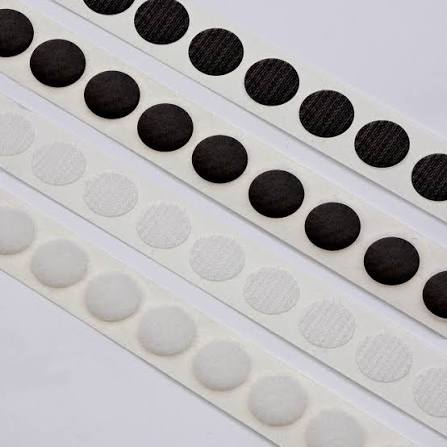
Cards, labels, photos and lightweight teaching resources rarely need a long strip of fastening. Adhesive hook and loop dots provide a compact fixing point that can be positioned on the back of the item and matched to a prepared surface.

The visible piece can then be removed and returned without replacing the complete fastening every time.

At home, this can work for family planners, lightweight notice boards and children’s activity displays. In offices, the same approach can support team boards, rotating notices and temporary information. Schools use the idea even more extensively.

Classroom displays are designed to change

Schools and education applications include visual schedules, learning cards, resource labels and interactive boards. Teachers can move pieces during a lesson and then reuse the same resources with another class.

That turns the display into part of the activity rather than simply decoration.

Plan the board before attaching anything

A reusable display works best when the layout is considered in advance. Keep frequently moved pieces within easy reach, use consistent fastening positions and allow enough spacing for larger cards.

It is also worth deciding whether the hook side or loop side should remain on the board so that future pieces follow the same system.

Surface preparation matters

Self-adhesive fasteners need a clean and dry surface. Dust, grease and loose paint can reduce adhesion. Delicate finishes should be tested before installation, and textured surfaces may require another fixing method.

The weight of the item is equally important. These systems are ideal for suitable lightweight items; heavy or safety-critical objects need proper mechanical support.

Build displays for reuse

The biggest improvement comes from changing the mindset from ‘attach this item’ to ‘build a display system’. Once the base is organised around reusable fastening, new cards and information can be introduced without starting again.

That saves time and makes the display more adaptable, whether it sits in a kitchen, classroom, reception area or workplace.

Winter energy bills can hit hard, and for many Victorian households, upgrading an old heating system feels like a cost too big to tackle. The good news is that accessing a heating rebate in Victoria doesn’t have to be complicated or slow. With a clear process and the right provider, most homeowners can move from enquiry to installation in a matter of weeks. Here’s a simple, step-by-step guide to getting it done fast.

Step 1: Check Your Eligibility First

Before doing anything else, confirm that your home and current system qualify. Most Victorian households are eligible for support through the Victorian Energy Upgrades (VEU) program, regardless of income, as long as the installation is carried out by an accredited provider. Renters can also apply with approval from their property owner. Taking five minutes to check eligibility upfront saves time later and ensures you’re not chasing a heating rebate in Victoria you don’t actually qualify for.

Step 2: Understand What You’re Replacing

The size of your discount often depends on what you’re upgrading from. Replacing an old gas ducted heater with a high-efficiency reverse-cycle system typically unlocks the largest savings, since it delivers the biggest cut in energy use and emissions. Smaller upgrades, like swapping an inefficient single unit, still qualify but may come with a smaller discount. Knowing this before you start comparing quotes helps you understand roughly what kind of heating rebate in Victoria you should expect.

Step 3: Compare Accredited Providers

This is the step that makes the biggest difference to speed and reliability. Only businesses accredited under the VEU program can legally apply the discount, so it’s worth comparing a few registered installers rather than accepting the first quote you receive. A reliable provider offering genuine Heating and Cooling Rebates in Victoria should be able to explain the discount clearly, confirm their accreditation, and give you a realistic installation timeline upfront.

Step 4: Get an Itemised Quote

Ask for a written quote that clearly separates the full price, the discount applied, and your minimum contribution. This transparency protects you from providers advertising misleading “free” offers, which don’t comply with program rules. A legitimate quote for Heating and Cooling Rebates in Victoria will always show a co-payment, since this is a requirement of the scheme, not an optional extra some businesses skip.

Step 5: Book Installation Promptly

Once you’re happy with a quote, booking sooner rather than later helps you avoid busy periods, particularly heading into the colder months when demand for heating upgrades increases. Accredited providers can often schedule installation quickly, especially for straightforward split system replacements, meaning your heating rebate in Victoria can be locked in and the new system running within a short window.

Step 6: Confirm Old System Decommissioning

For certain upgrade categories, particularly full gas-to-electric replacements, your old heater must be rendered inoperable as part of the process. Confirm this requirement with your installer ahead of time so there are no surprises on installation day. Skipping this step can delay your claim or affect your eligibility for the full Heating and Cooling Rebates in Victoria discount.

Step 7: Keep Your Paperwork

Once installation is complete, keep a copy of your final invoice showing the discount applied. While the rebate itself doesn’t require a separate claim, having this documentation on hand is useful if you ever need to reference the upgrade, sell your home, or apply for additional energy support down the track.

Moving Fast Without Cutting Corners

Speed matters, but it shouldn’t come at the expense of choosing a compliant provider. By checking eligibility early, comparing accredited installers, and asking the right questions upfront, Victorian households can move through the process efficiently while still getting the full value of their rebate. With demand for heating upgrades only increasing each winter, taking these simple steps now is the fastest way to secure a heating rebate in Victoria and start saving on energy bills sooner rather than later.

Sydney’s climate puts air conditioning systems through significant strain throughout the year, from scorching summer heatwaves to cool, damp winters. Regular maintenance isn’t just about preventing breakdowns, it’s about ensuring your system runs efficiently, lasts longer, and keeps your home or business comfortable no matter the season. Here’s a breakdown of the best maintenance practices to keep your air conditioning system performing optimally all year round.

Why Seasonal Maintenance Matters

Air conditioning systems work hardest during extreme weather, exactly when you need them most. Skipping regular maintenance often leads to reduced efficiency, higher energy bills, and a greater risk of mid-summer or mid-winter breakdowns. A proactive maintenance schedule, tailored to each season, helps catch small issues before they become costly repairs and extends the overall lifespan of your unit.

Spring Maintenance: Preparing for Summer Demand

As temperatures begin rising, spring is the ideal time to prepare your system for heavy summer use. This includes cleaning or replacing air filters, checking refrigerant levels, and inspecting outdoor units for debris buildup over the cooler months. Technicians typically also test thermostat calibration and airflow during this period, ensuring your system is ready to handle the demand before the first heatwave hits.

Summer Maintenance: Keeping Systems Running at Peak Performance

Summer is when air conditioning systems face the most pressure, running for extended hours across hot, humid days. Regular filter checks become especially important during this period, as clogged filters reduce efficiency and strain the compressor. Many Sydney homeowners and businesses schedule a mid-summer check to catch early signs of strain, particularly after extended heatwave periods, helping avoid unexpected breakdowns during the hottest stretches.

Autumn Maintenance: Transitioning and Inspecting for Wear

After a demanding summer, autumn is the perfect window for a thorough inspection. This is when technicians typically check for wear on components that worked hardest during summer, such as compressors and fan motors. It’s also an ideal time to clean ductwork, check for leaks, and address any efficiency issues that built up over the warmer months, ensuring the system transitions smoothly into cooler weather.

Winter Maintenance: Supporting Reverse Cycle Heating

For Sydney homes and businesses using reverse cycle systems, winter maintenance focuses on heating performance. This includes checking heat exchanger components, verifying thermostat accuracy for heating mode, and ensuring there are no airflow obstructions. Even though Sydney winters are milder than many other regions, consistent heating performance still matters for comfort and energy efficiency during cooler months.

Year-Round Maintenance Essentials

Beyond seasonal-specific checks, several maintenance tasks should happen consistently throughout the year. Regular filter cleaning or replacement, ideally every one to three months, prevents airflow restriction and maintains air quality. Keeping outdoor units clear of leaves, dust, and debris ensures proper ventilation. Scheduling professional inspections at least twice a year helps catch issues like refrigerant leaks, electrical faults, or worn components before they escalate.

The Value of Professional Maintenance Plans

While some basic upkeep like filter cleaning can be done independently, professional maintenance plans offer a more thorough, technical level of care. Licensed technicians can identify issues that aren’t visible to the untrained eye, such as refrigerant leaks, electrical wear, or early signs of compressor failure. Many providers offer scheduled maintenance plans that align with seasonal needs, taking the guesswork out of when and what to service.

Investing in Long-Term Performance

Professional air conditioning maintenance in Sydney, ensuring efficient performance, improved air quality, and extended system lifespan. Our experienced technicians keep your home or business comfortable year-round with reliable, thorough servicing.

Consistent, season-appropriate maintenance is one of the most cost-effective ways to protect your air conditioning investment. It reduces the likelihood of expensive repairs, improves energy efficiency, and ensures your system is ready to perform when Sydney’s weather demands it most. Partnering with a qualified maintenance provider gives you a clear schedule and peace of mind throughout every season.

Expert commercial air conditioning installation in Sydney, designed for offices, retail spaces, and industrial properties. Our experienced technicians deliver efficient, properly sized systems tailored to your building’s needs, ensuring optimal performance and energy savings. Trust our skilled team for professional installations that keep your commercial space comfortable, productive, and running smoothly year-round.